

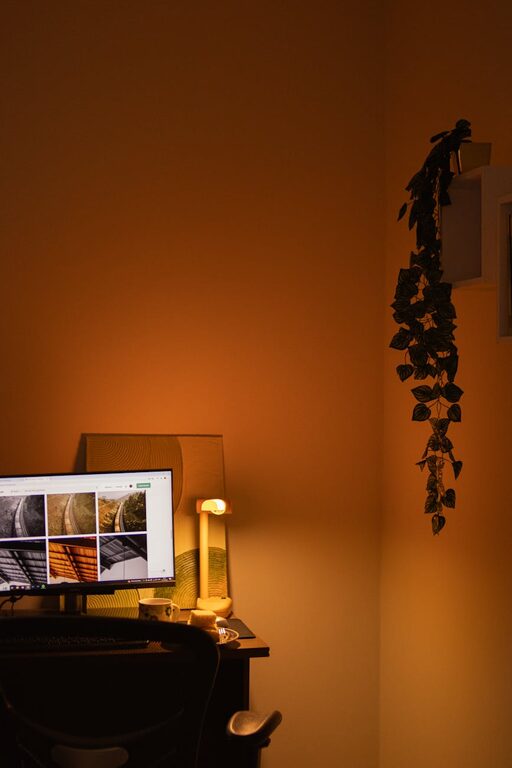
Creating a home office that balances relaxation and productivity can be a game-changer for your work-from-home experience. Whether you are freelancing, running a business, or simply need a dedicated space for occasional work, an optimised environment helps you focus and reduces stress. Here are practical, easy-to-apply tips to help you design a home office that suits your needs.
1. Choose the Right Location
The first step in setting up a home office is picking the right spot. Ideally, select a quiet corner or a separate room where you can minimise distractions. If your space is limited, a nook with good natural light works well. Avoid high-traffic areas that might interrupt your concentration.
2. Prioritise Natural Light
Natural light positively affects mood and energy levels. Position your desk near a window to take advantage of daylight. If this isn’t possible, invest in good quality daylight bulbs that mimic natural sunlight. Proper lighting is essential for both productivity and reducing eye strain.
3. Invest in Ergonomic Furniture
Comfort is key when you spend hours working at a desk. Choose an adjustable office chair with good lumbar support to prevent back pain. Your desk should be at a height that allows your arms to rest comfortably while typing. Consider a sit-stand desk if you want greater flexibility throughout the day.
4. Keep Your Workspace Organised
A cluttered desk can lead to a cluttered mind. Use organisers, shelves, and drawers to keep essentials tidy and easily accessible. Label storage when possible, so everything has its place. Clearing your workspace at the end of the day helps create a calm environment when you return.
5. Add Personal and Calming Touches
Personalising your space can make it more inviting and improve mood. Plants are a great addition; they purify the air and add a splash of nature. Artwork, photos, or inspirational quotes can also brighten your office. Consider adding a small diffuser with calming essential oils like lavender or eucalyptus for a soothing atmosphere.
6. Minimise Noise Distractions
Noise can be a major productivity killer. Use noise-cancelling headphones or white noise machines if background sounds are unavoidable. Soft furnishings such as rugs and curtains can help absorb sound and reduce echo in your workspace.
7. Create a Technology-Friendly Setup
Ensure your workspace is equipped with reliable technology. A fast internet connection, a quality monitor, and a comfortable keyboard and mouse make a big difference. Cable management tools help keep cords out of sight, contributing to a cleaner look and safer environment.
8. Organise for Efficiency
Plan your desk layout to keep frequently used items within easy reach. Use vertical space for storage to keep the surface clear. Consider a planner or digital tools to keep track of tasks and deadlines without overwhelming your desk with paper.
9. Incorporate Break Areas
If space allows, include a small area for short breaks. A comfortable chair or a yoga mat can encourage you to stretch, meditate, or simply rest your eyes. Taking regular breaks improves focus and prevents fatigue.
10. Maintain Good Air Quality
Fresh air is important for staying alert. Open windows regularly or use an air purifier if needed. Avoid placing your desk too close to heating or cooling vents that might cause discomfort.
—
Final Thoughts
Your home office should be a reflection of both your work style and your personality. By carefully considering your space, lighting, furniture, and organisation, you can create an environment that helps you stay productive while feeling relaxed. Remember to adjust and personalise your office over time, as small tweaks can bring big improvements to your daily work experience.
With these tips, you are well on your way to crafting a home office that supports your goals and wellbeing. Enjoy creating your perfect workspace!