

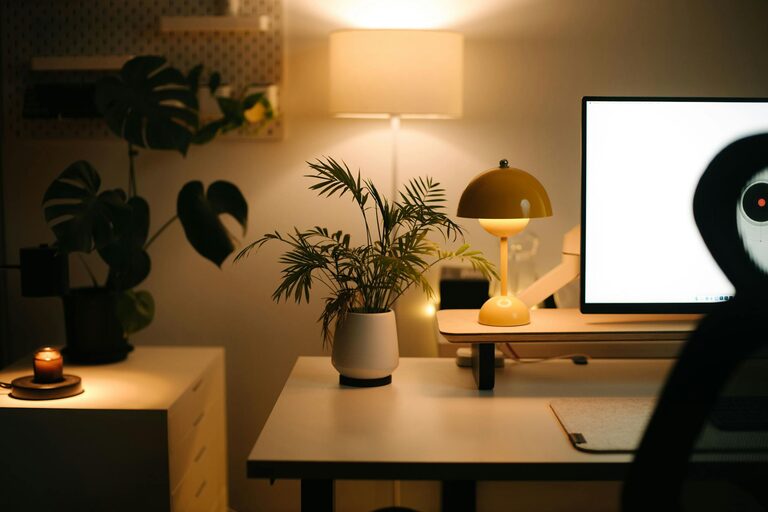
Creating a relaxing home office environment is essential for maintaining focus, reducing stress, and improving overall productivity. With more people working remotely, designing a workspace that feels inviting and calm can make a significant difference to your daily experience. In this blog post, we’ll explore practical tips and ideas to help you craft a serene home office that works for you.
Why a Relaxing Home Office Matters
Your home office should be more than just a place to work; it should be a space that supports your well-being. A cluttered, noisy, or uncomfortable environment can distract you, increase anxiety, and lower productivity. On the other hand, a well-designed, peaceful office can improve creativity, focus, and job satisfaction.
Choosing the Right Location
Find a Quiet Spot
Select a quiet corner or room in your home where interruptions are minimal. This helps you concentrate and sets a clear boundary between work and personal life.
Consider Natural Light
Try to position your desk near a window to benefit from natural daylight. Natural light boosts mood and energy, while also reducing eye strain.
Pay Attention to Ventilation
A well-ventilated office with fresh air helps keep you alert and comfortable throughout the day. Avoid spaces prone to stuffiness or poor airflow.
Organising Your Space for Calmness
Declutter Regularly
An organised and tidy desk can help reduce distractions. Keep only essential items within reach and store paperwork neatly away.
Use Storage Solutions
Invest in shelves, drawers, or filing cabinets to keep your office supplies and documents orderly. Labelled boxes or folders can make it easier to find what you need quickly.
Create Zones
If you have enough space, designate different areas for various activities such as computer work, reading, or brainstorming. This helps your brain associate each zone with specific tasks.
Choosing Comfortable and Functional Furniture
Ergonomic Chair
A comfortable chair with good lumbar support is vital to prevent back pain and improve posture.
Adjustable Desk
Consider a desk with adjustable height so you can alternate between sitting and standing. This variation can reduce fatigue and improve circulation.
Keep Essentials Within Reach
Arrange your keyboard, mouse, and other frequently used tools so they’re easily accessible without straining.
Enhancing the Atmosphere with Colours and Decor
Choose Soothing Colours
Soft blues, greens, and neutral tones tend to have a calming effect. Avoid overly bright or harsh colours that may cause visual fatigue.
Add Personal Touches
Incorporate photos, artwork, or items that make you feel happy or inspired. Personalised decorations can create a more welcoming environment.
Use Plants
Indoor plants not only beautify your space but also improve air quality and promote relaxation.
Managing Noise Levels
Use Noise-Cancelling Headphones
If external sounds distract you, noise-cancelling headphones can help you focus and create a quieter personal bubble.
Add Soft Furnishings
Carpets, curtains, and cushions absorb sound and reduce echo, making your workspace quieter and more comfortable.
Incorporating Technology Wisely
Limit Digital Clutter
Keep your desktop organised and avoid too many browser tabs and notifications. Digital clutter can be just as distracting as physical mess.
Use Blue Light Filters
Many devices have settings or apps that reduce blue light emissions, which can help lower eye strain and improve sleep if you work late into the evening.
Taking Care of Well-being During Work
Schedule Breaks
Regular short breaks improve concentration and reduce fatigue. Use this time to stretch, move around, or enjoy a brief walk.
Create a Relaxation Corner
If space allows, include a comfortable chair or corner for taking breaks and practising mindfulness or deep breathing.
Stay Hydrated and Nourished
Keep a bottle of water and healthy snacks nearby to maintain energy levels throughout the day.
Lighting Tips for Comfort
Use Layered Lighting
Combine natural light with ambient and task lighting. A desk lamp with adjustable brightness can reduce eye strain when working in the evening.
Avoid Glare
Position screens and lighting to avoid reflections and glare, which can cause discomfort.
Final Thoughts
Building a relaxing home office environment is an investment in your comfort and productivity. By focusing on location, organisation, furniture, colour, and well-being, you can create a space that helps you focus while feeling calm and energised. Experiment with these tips and tailor your workspace to suit your personal preferences — after all, your home office should support you, not stress you.
We hope these tips inspire you to create a home office that feels both productive and peaceful. Happy decorating!