

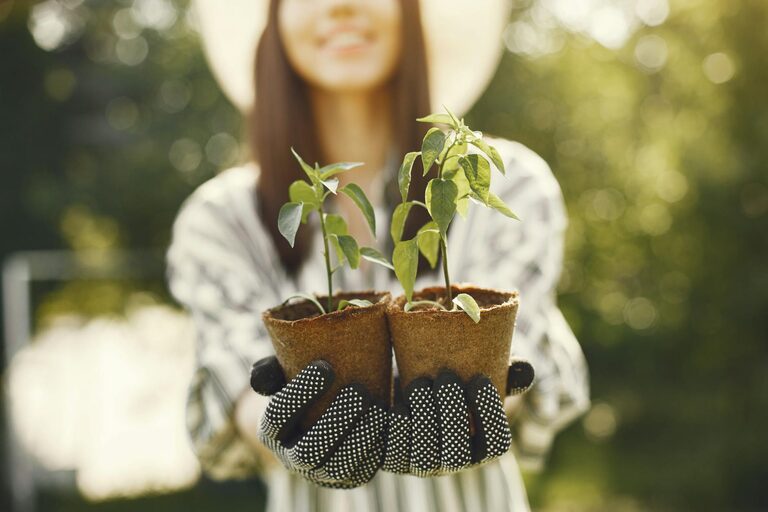
Creating a sustainable home garden throughout the year is a rewarding way to connect with nature, reduce your carbon footprint, and enjoy fresh, homegrown produce. With thoughtful planning and simple practices, you can nurture a garden that thrives in every season. Here are some valuable tips to help you achieve a lush, eco-friendly garden no matter the time of year.
Understanding Sustainability in Gardening
Sustainability means using resources wisely and minimally to protect the environment while growing plants. In gardening, this involves conserving water, improving soil health, choosing native or low-maintenance plants, and reducing waste.
Planning Your Garden for Year-Round Success
Choose Seasonal Plants
Select plants that are suited to your local climate and can grow during different seasons. For example, leafy greens and root vegetables often do well in cooler months, while tomatoes and peppers thrive in warmer weather.
Mix Perennials and Annuals
Perennials return each year, reducing the need to replant, while annuals provide diversity and fast growing options. This mix ensures continuous growth and harvest.
Design for Microclimates
Observe different areas of your garden to notice variations in sunlight, wind, and moisture. Use these microclimates to your advantage by planting species in spots where they naturally grow best.
Soil Care and Improvement
Compost Regularly
Composting turns kitchen scraps and garden waste into nutrient-rich soil conditioner. It reduces landfill waste and strengthens your soil’s structure and fertility.
Mulch for Moisture and Weed Control
Apply organic mulch around plants to retain soil moisture, suppress weeds, and regulate temperature. Materials like straw, bark chips, or leaves break down naturally, enriching the soil.
Rotate Crops
Changing the locations where you plant different vegetables each year can prevent soil depletion and reduce the risk of pests and diseases.
Water Wisely
Collect Rainwater
Installing rain barrels allows you to collect and use rainwater for irrigation, cutting down on mains water use.
Water Early or Late
Water your plants early in the morning or late in the evening to reduce evaporation. Using drip irrigation or soaker hoses delivers water directly to roots, saving water.
Choose Drought-Tolerant Plants
Including drought-resistant species can lessen water needs during dry periods.
Encouraging Biodiversity
Plant Native Flowers and Shrubs
Native plants provide habitat and food for local wildlife like bees and butterflies, supporting ecosystem health.
Create Habitats
Add features such as bird feeders, insect hotels, or small ponds to encourage beneficial wildlife that helps control pests naturally.
Avoid Chemical Pesticides and Fertilisers
Rely on natural pest control methods and organic fertilisers to maintain balance and prevent harm to beneficial insects and soil organisms.
Extending the Growing Season
Use Greenhouses and Cold Frames
These structures protect plants from frost and allow earlier sowing or later harvesting.
Employ Cloche Covers and Mulches
Cloche covers shield young plants from cold, while mulch insulates soil to maintain warmth.
Succession Planting
Planting crops in intervals ensures a continuous harvest, keeping your garden productive all year.
Embrace Community and Learning
Share Resources
Participate in seed swaps or tool lending libraries to reduce waste and diversify your garden.
Keep a Garden Journal
Tracking planting dates, weather, and successes helps improve future gardening choices.
Stay Curious
Keep learning about sustainable gardening practices through local workshops, books, or online groups.
Conclusion
Creating and maintaining a sustainable home garden throughout the year is an achievable goal that benefits both you and the environment. By choosing suitable plants, caring for your soil, conserving water, and supporting biodiversity, you can enjoy a flourishing garden no matter the season. With patience and attention, your garden will become a vibrant, eco-friendly space that adds beauty and utility to your home. Happy gardening!